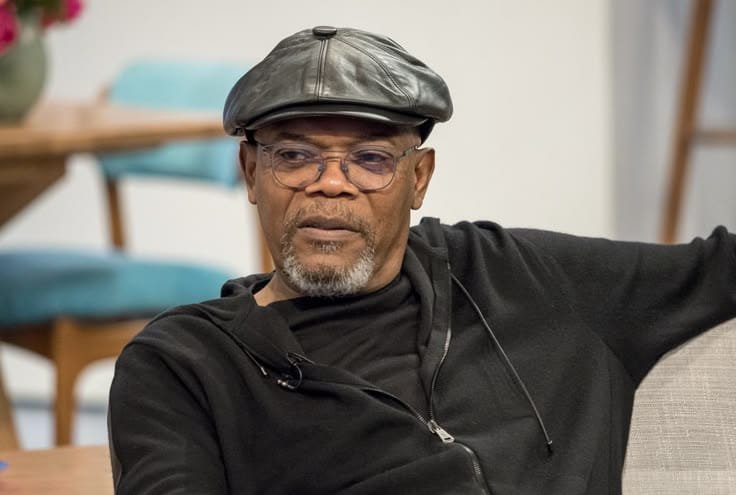
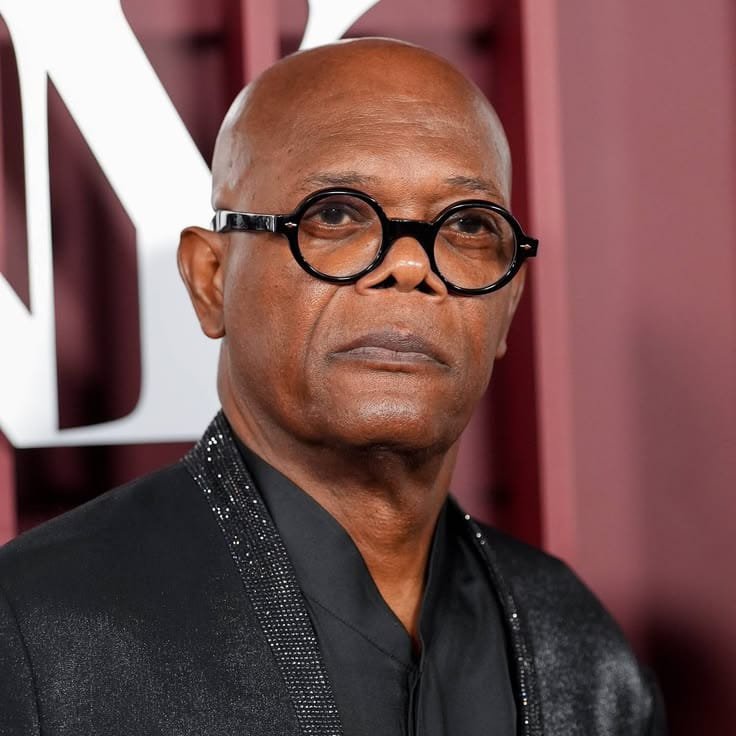
Actor Samuel L. Jackson recently addressed the deepening wealth inequality across the United States by emphasizing that a fairer distribution of resources is essential for everyday Americans to afford basic necessities. Speaking in an interview referenced in a recent social media post from More Perfect Union, Jackson highlighted that rebuilding a viable middle class depends on people being able to cover routine expenses like groceries and household needs without facing severe financial strain. The discussion resonated widely across digital platforms as communities grapple with rising living costs and the widening gap between top earners and ordinary workers. Commenters quickly expanded the conversation beyond simple affordability to examine the structural barriers preventing equitable access to resources and the fundamental nature of modern economic struggle.
Samuel L. Jackson Wants Wealth Spread to Fix High Grocery Prices
The debate over economic security also drew attention to the broader societal structures that shape opportunity and community resilience. Several online responses pointed out that true equity requires addressing foundational institutions such as public education, noting that better schools, teachers, and curricula are necessary to lift future generations out of cyclical poverty. Others highlighted the importance of direct community reinvestment, pointing to figures who actively fund historical educational institutions, support youth charities, and address systemic health disparities. These perspectives underscore a growing public demand for tangible action and long-term investment in underserved neighborhoods rather than temporary relief measures.
“The US should spread wealth so the middle class can afford groceries.”
Whether corporate leaders and policymakers will heed calls for systemic economic reform remains a central question as public pressure over the cost of living continues to mount.
About the Author