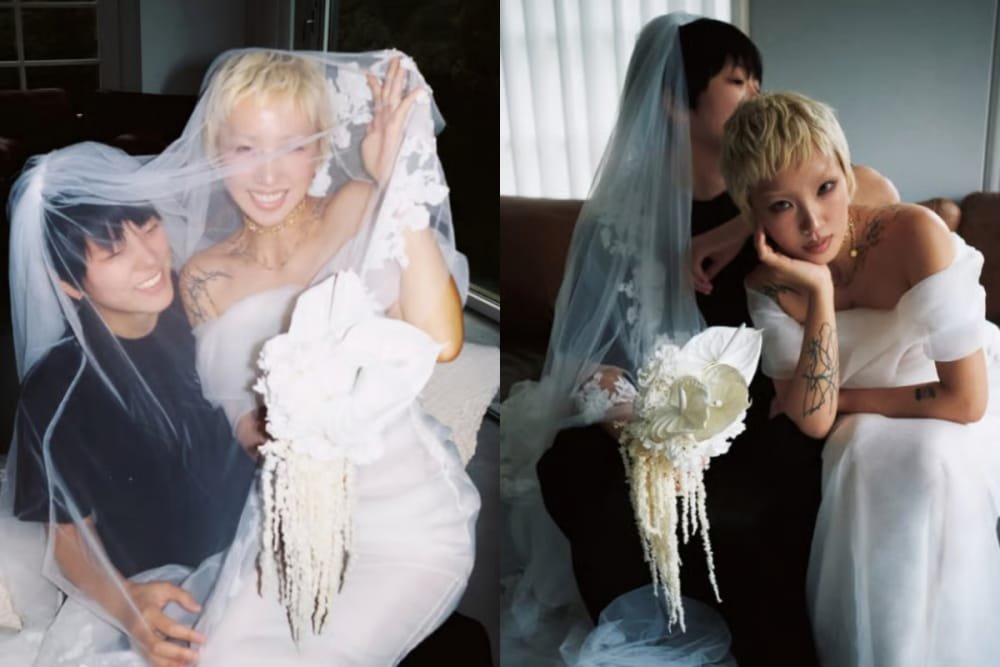
Korean influencer Kim Nara recently celebrated her marriage to her longtime partner Haru during an outdoor ceremony held in a rustic rice field located in Gangwon Province. The wedding marked a significant milestone for the couple after an eight-year relationship, drawing parents, relatives, and close friends despite legal barriers surrounding same-sex marriage in South Korea. The unique event intentionally mirrored the rural style of prominent celebrity weddings, such as the famous ceremony held by popular actors Won Bin and Lee Na-young.
Influencer Kim Nara Marries Longtime Girlfriend Haru in South Korea
The celebration featured distinctive traditional elements, including guests enjoying homemade Korean pancakes prepared outdoors by attendees wearing comfortable hanboks, alongside a live percussion performance and a traditional lion dance. Leading up to the weekend ceremony, Kim Nara shared public reflections on social media about challenging existing societal customs and choosing to formalize their bond despite official legal recognition remaining unavailable. South Korean law does not currently recognize same-sex marriages, meaning couples who attempt to register their unions receive a formal notice of non-acceptance rather than official government certification. These legal limitations have prompted many couples to seek out creative and independent ways to honor their committed relationships within their local communities.
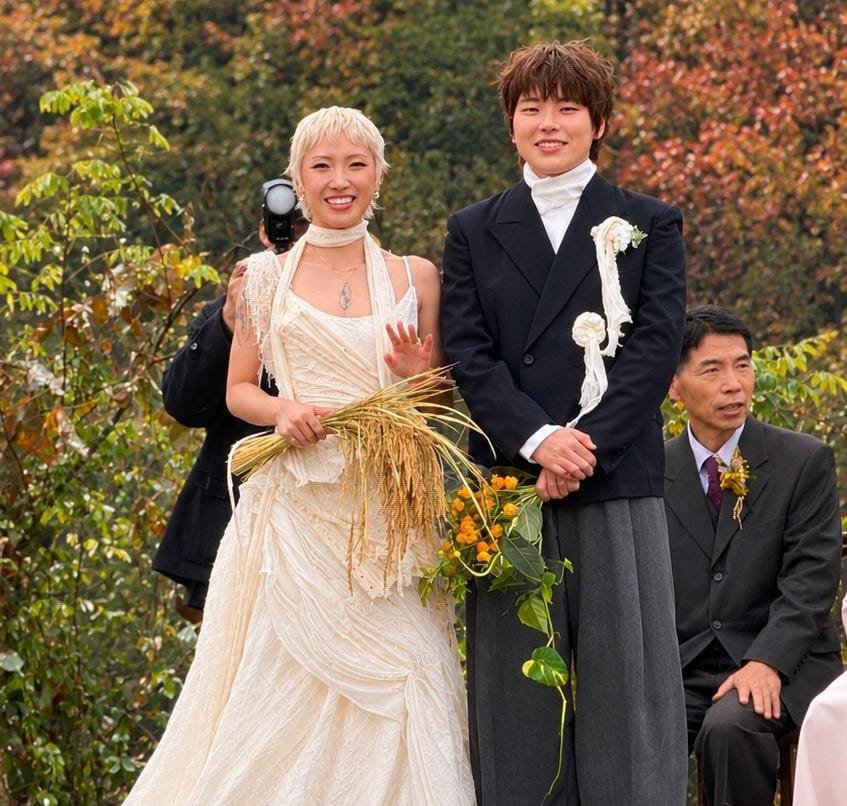
Despite the administrative and legal hurdles, the couple walked down the aisle together with their respective parents amidst drizzling weather that did not dampen the celebratory atmosphere. Kim Nara expressed sincere gratitude to the attendees who traveled long distances to support them, noting that the gathering was designed to celebrate their commitment freely rather than seek external administrative validation. The ceremony highlighted ongoing discussions surrounding relationship rights, social visibility, and personal autonomy within contemporary Korean society as couples find alternative ways to mark significant life milestones. Furthermore, the event underscored how public figures use their digital platforms to spark wider conversations about modern family structures and personal freedom.
“I wanted to have a wedding that presses down with an aesthetic of hatred and discrimination that cannot dare be denied, and a great blessing.”
Whether public visibility surrounding unconventional weddings will influence broader cultural shifts or legal frameworks in the future remains an open question across the region. As alternative ceremonies continue to gain widespread attention across digital platforms, public conversations regarding equality, family structures, and personal autonomy show no signs of slowing down.
About the Author