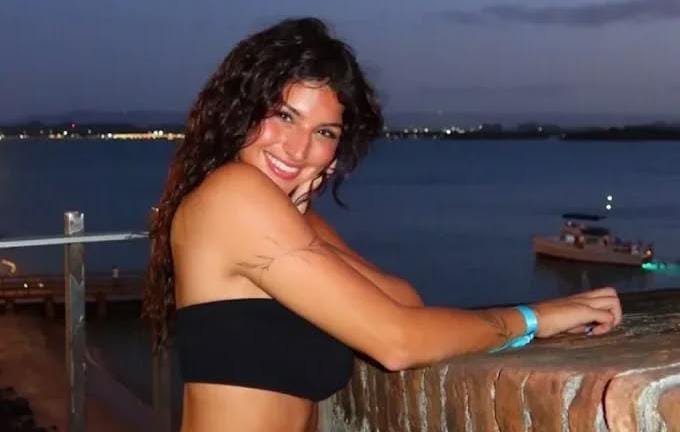
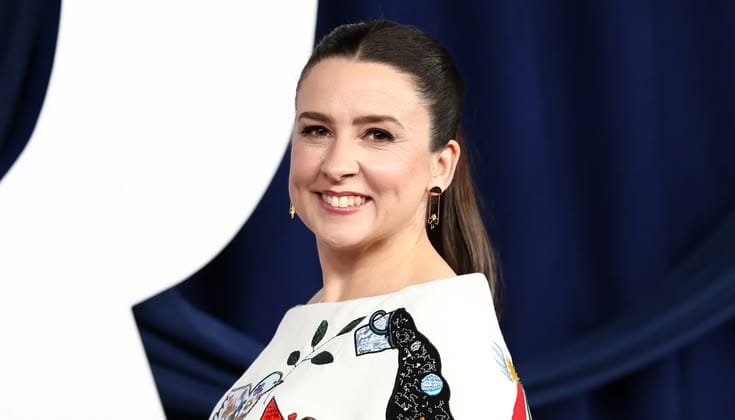
Popular children’s entertainer Ms Rachel recently announced that she intends to unfollow celebrities and public leaders who remain silent regarding the ongoing humanitarian crisis in Gaza. The digital creator, known widely for her educational programming and music videos aimed at toddlers and young children, shared her firm stance on social media while discussing the emotional weight of witnessing children affected by the conflict. Her comments quickly drew widespread attention across digital platforms, generating extensive discussion among parents, fans, and public commentators.
Ms. Rachel to Unfollow Public Figures Silent on Gaza
The educator explained that encountering children in Gaza who have suffered severe injuries, lost their families, and had their childhoods disrupted made it impossible for her to maintain supportive connections with public figures who choose not to speak out. While artists and public personalities frequently navigate complex public expectations surrounding geopolitical events, Ms Rachel emphasized that personal moral convictions guided her decision to draw a firm line regarding her digital associations. The announcement highlights a growing trend among digital creators and influencers who utilize their high profile platforms to address international humanitarian concerns and advocate for vulnerable populations worldwide. The digital personality has previously used her online presence to raise awareness for various charitable causes, connecting her educational mission with broader global outreach efforts that resonate with families across the country. Furthermore, her channel has grown substantially over recent years, establishing her as one of the most recognized figures in digital children’s media today.
“I can’t support people who are silent at this point. I can’t meet precious childen from Gaza who have lost their limbs, families and childhoods and support people who aren’t moved enough by that to do something.”
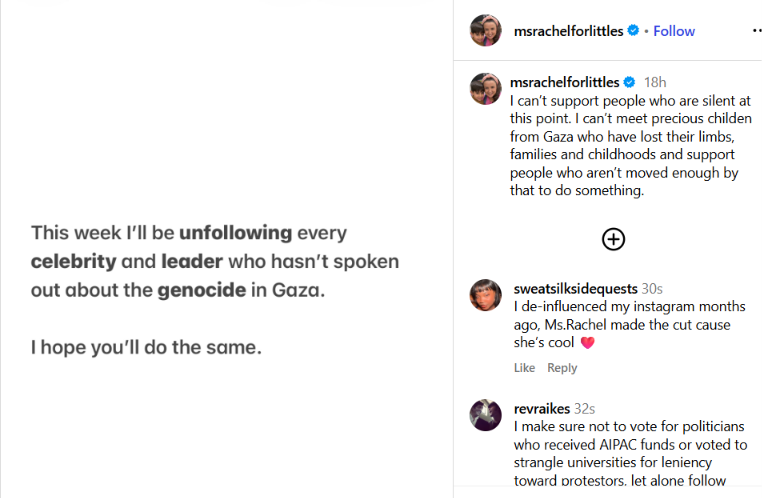
Public reactions to the statement were sharply divided across social media networks, reflecting broader societal debates regarding the responsibilities of public figures to comment on global conflicts. Supporters praised the content creator for leveraging her visibility to bring attention to civilian suffering, while critics questioned whether entertainers should involve themselves in complex foreign policy issues outside their primary domain. The ongoing conversation underscores how modern digital media blurs the boundaries between children’s entertainment and social activism as creators navigate shifting audience expectations. These evolving digital dynamics often create intense online discourse that captures the attention of mainstream media outlets and everyday internet users alike, demonstrating the powerful influence of online creators in modern society.
Whether prominent personalities will alter their public communication strategies in response to such declarations remains an open question as public scrutiny intensifies. As creators and public figures continue balancing career commitments with personal advocacy, online platforms will likely remain a central venue for debating the ethics of public silence during global crises.
About the Author