
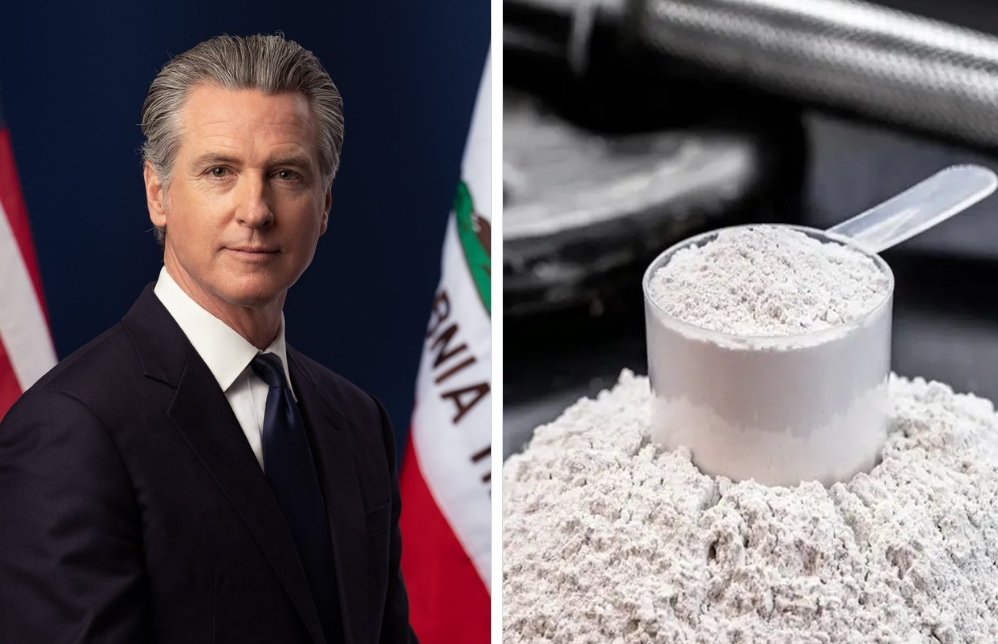
California retail stores will soon be required to restrict the sale of muscle-building and weight-loss supplements to minors under new legislation taking effect on January 1, 2027. Governor Gavin Newsom signed Assembly Bill 2030 into law following its successful passage through both chambers of the state legislature, establishing a strict minimum age requirement of 18 for purchasing covered products such as creatine and other chemical compounds marketed for strength. Retailers across the state will now be mandated to request official government identification from customers whose age cannot be readily determined at checkout unless the minor provides a valid medical prescription issued by a licensed physician. Local enforcement agencies will also be empowered to ensure compliance across commercial establishments throughout the state and local municipalities.
California to Ban Sales of Creatine and Muscle Supplements to Minors
The legislative measure was introduced by Democratic Assemblymember Josh Lowenthal amid mounting public health concerns regarding adolescent supplement usage and potential long-term health risks associated with unregulated products. State lawmakers highlighted findings from a 2024 study published in JAMA Network Open, which indicated that nearly one in 10 adolescents reported using nonprescription weight-loss products without medical oversight or professional guidance. Researchers and medical experts cautioned that unsupervised consumption of such dietary supplements can increase the likelihood of developing eating disorders or encountering adverse health outcomes later in life. Furthermore, legislative analyses noted that certain muscle-building powders and pills may contain unlisted ingredients that bypass pre-market safety reviews by federal food and drug authorities.
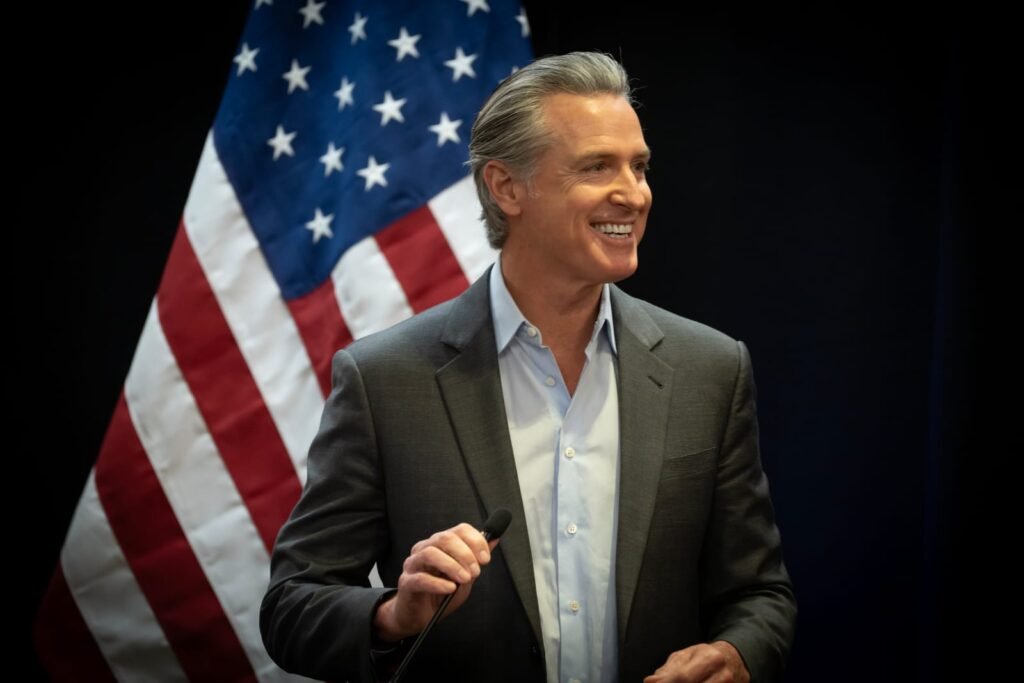
The newly enacted statute faces continued pushback from representatives of the dietary supplement industry who argue against age-based retail restrictions and consumer product limitations. This legislative effort directly follows an earlier attempt in 2022 when Governor Newsom vetoed Assembly Bill 1341, choosing instead to direct the California Department of Public Health to convene a specialized expert workgroup to evaluate the underlying scientific evidence. That advisory group ultimately released a series of comprehensive recommendations supporting restricted youth access and strengthened enforcement measures, laying the groundwork for the current statutory requirements. Businesses found in violation of the retail restrictions could face civil penalties of up to $500 for each individual infraction under state law.
Whether similar legislative proposals will gain momentum in other state legislatures remains an open question as public health advocates continue monitoring adolescent supplement consumption trends nationwide. As the implementation date approaches, retail establishments and compliance officers are preparing to update verification procedures to align with the new state mandates.
About the Author