
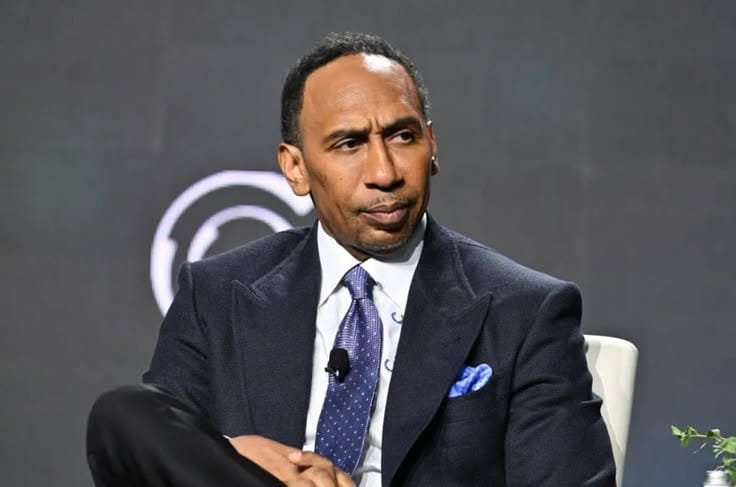
Stephen A. Smith recently questioned how former high-ranking political figures amass immense fortunes after leaving public service, pointing specifically to the financial growth of figures like Barack Obama and Bill Clinton. Speaking on a recent media appearance, the prominent commentator raised questions about how leaders enter government service with modest financial backgrounds and leave office with multi-million dollar net worths. Smith highlighted the stark contrast between a standard presidential salary, which tops out at $400,000 annually, and the substantial wealth accumulated by former commanders-in-chief in the years following their time in the White House.
Stephen A. Smith Questions Barack Obama’s Post-Presidency Net Worth
During the discussion, Smith referenced the early backgrounds of both former presidents, noting that Clinton grew up facing financial difficulties in Arkansas before pursuing a career as an attorney, while Obama worked as a community organizer and constitutional law professor in Chicago. Financial reports and public disclosures indicate that the Clintons transitioned from modest financial standing to earning substantial sums through post-presidency book deals, memoirs, and paid speaking engagements across the globe. Similarly, public estimates place the Obamas net worth significantly higher following their departure from Washington, driven largely by high-profile book contracts and multi-million dollar production agreements with major streaming platforms like Netflix.
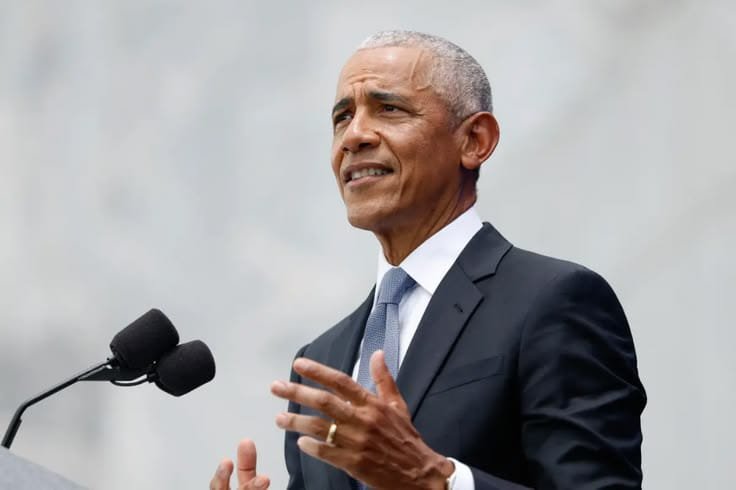
The commentary quickly sparked broader public debates regarding wealth accumulation among political figures and the financial avenues available to leaders after leaving elected office. While defea+nders of former presidents point out that post-White-House income is generated through private enterprise, book sales, and corporate speaking fees rather than government funds, critics and commentators frequently scrutinize the scale of these earnings. Financial analysts note that the modern era of media monetization has created unprecedented revenue streams for former executives, allowing public figures to leverage their global recognition long after their official terms conclude.
“Barack Obama was a community organizer who became the president of the United States and, last time I checked, that salary ain’t over $450,000, if I remember correctly,” Smith said.
“I got to double check that,” he added. “How the hell you depart from office worth over $200 million?”
As public interest in the financial portfolios of political leaders continues to grow across various media platforms, popular commentators like Smith frequently bring these figures under broader cultural scrutiny. Whether these discussions will prompt renewed calls for stricter financial transparency rules or simply remain a topic of public commentary depends entirely on how future political figures choose to manage their post-office careers. The intersection of public service and private wealth generation remains a subject of ongoing debate among voters, media analysts, and political observers navigating the modern political landscape.
About the Author