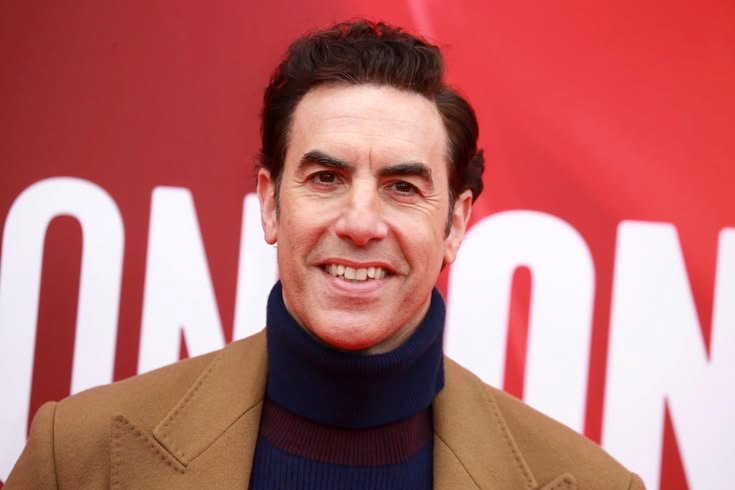
British comedian Sacha Baron Cohen has publicly apologized to the people of Kazakhstan for his satirical character, Borat Sagdiyev, admitting that the fictional journalist does not represent the real country or its citizens. Speaking on a podcast, the actor addressed past official complaints filed by the Embassy of Kazakhstan following the release of the first film in 2006, conceding that those grievances were entirely justified. He stated that he cannot perform the accent and that real Kazakhstanis look nothing like his portrayal, offering a direct apology and asking residents not to be offended.
Sacha Baron Cohen Issues Apology to Kazakhstan Over Borat Accent
The actor explained that the core intent behind the satire was never to mock Kazakhstan, but rather to expose the ignorance and cultural stereotypes prevalent in Western societies. According to Cohen, the comedy focused on the willingness of people in the United States and Europe to believe absurd claims about a place they knew nothing about. The discussion surrounding the character resurfaced amid promotional material for a new project focusing on his persona, Ali G, which features a promotional appearance by Borat accusing Cohen of creating a controversial film.
Over the years, the character has repeatedly sparked public debate and real-world reactions, ranging from protests by activists outside the United States Consulate General in Almaty upon the release of the 2020 sequel to recent incidents at sporting events in the country. During a Champions League match, foreign fans wearing mankinis drew police attention and subsequent legal penalties for public behavior. While Cohen stated in past interviews that many residents living in Kazakhstan possess a great sense of humor regarding the films, the character continues to evoke mixed responses.
“I apologize. I cannot do your accent. I don’t know your accent. You look nothing like Borat. Please, do not be offended, Kazakhstanis. I mean nothing but respect,” Cohen stated.
“It was entirely about the ignorance of the people I was speaking to — who could believe this crazy things could happen in a place they had never heard of,” he noted.
“I was told that Kazakhs living in Kazakhstan itself turned out to have a great sense of humor and welcomed Borat with joy,” he said in an interview with a Russian publication.
“There was a purpose to this movie. I felt democracy was in peril, and I felt compelled to finish it. But now, I don’t see the point in doing it again,” the actor explained.
As public discussions regarding satire, cultural representation, and media ethics persist, the comedian has previously indicated that he considers the role retired outside of specific political commentary. Whether future pop culture references will continue to stir debate or if the public response will evolve remains to be seen.
About the Author