Law enforcement officials destroyed roughly 4.2 metric tons of cocaine valued at $336 million following the largest drug bust in Liberia’s history, while several high-ranking police officers face formal charges for facilitating the illicit operation.
Authorities carried out the public incineration of the seized narcotics after investigations revealed that senior law enforcement figures allegedly assisted international traffickers in moving the illegal cargo across national borders.
Police Inspector General Gregory Coleman confirmed that internal officers had been identified for allegedly escorting the contraband through domestic transit routes. The crackdown has resulted in direct charges against the chief of the highway patrol and the head of the major crimes unit, while a deputy police commander stationed at the primary international airport remains a key suspect.
Liberian Police Conduct a Precise Raid
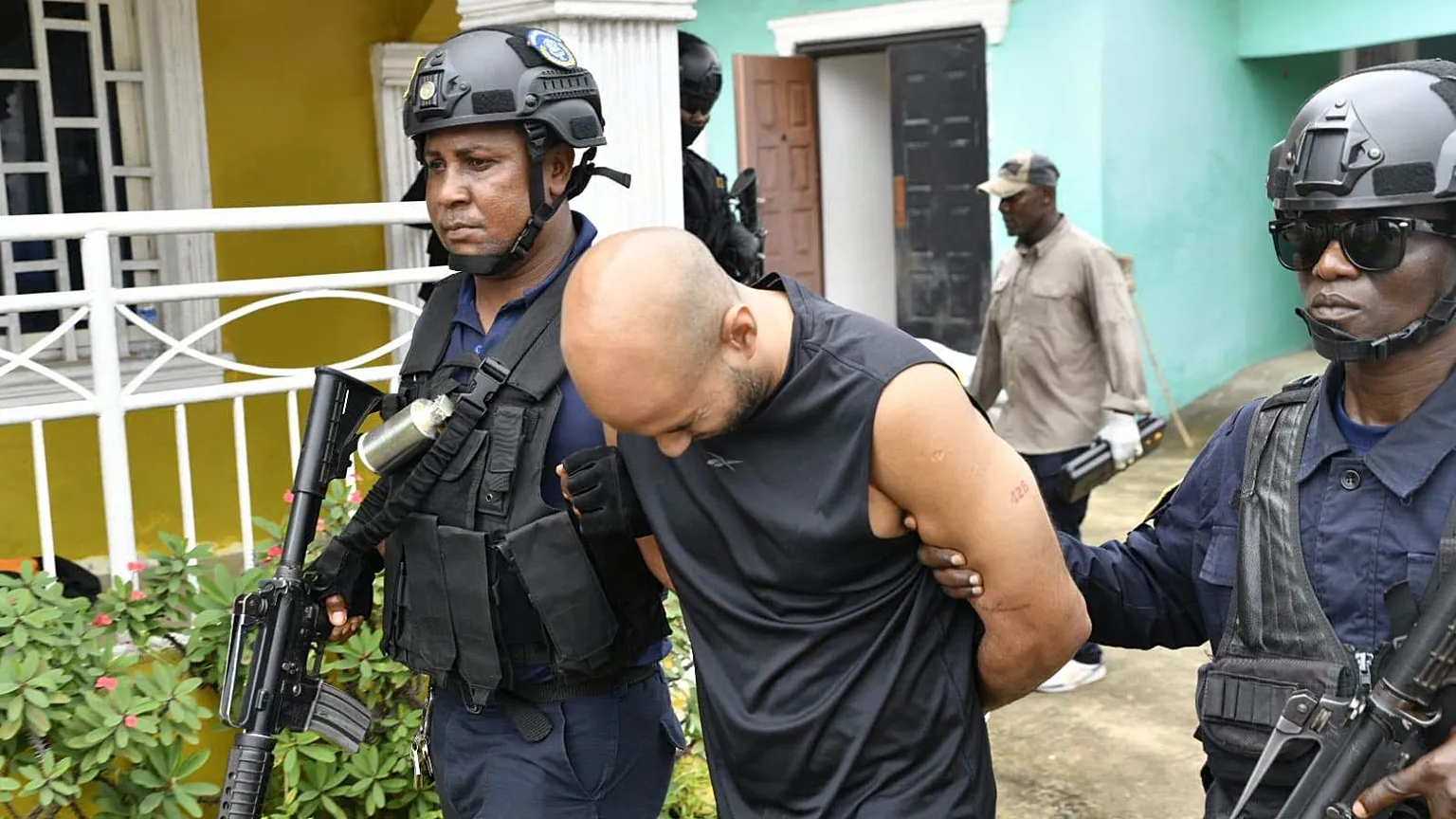
The unprecedented destruction of narcotics stemmed primarily from a targeted raid conducted at a residential property in Duazon, located about 17 miles east of the capital city of Monrovia.
Federal officers recovered nearly four metric tons of cocaine from the location, estimating its standalone street value at $317 million. During the initial raid, authorities arrested two foreign nationals, identified as a Serbian citizen and a dual Colombian-Spanish national, who remain in custody while investigators work to dismantle the broader international network.
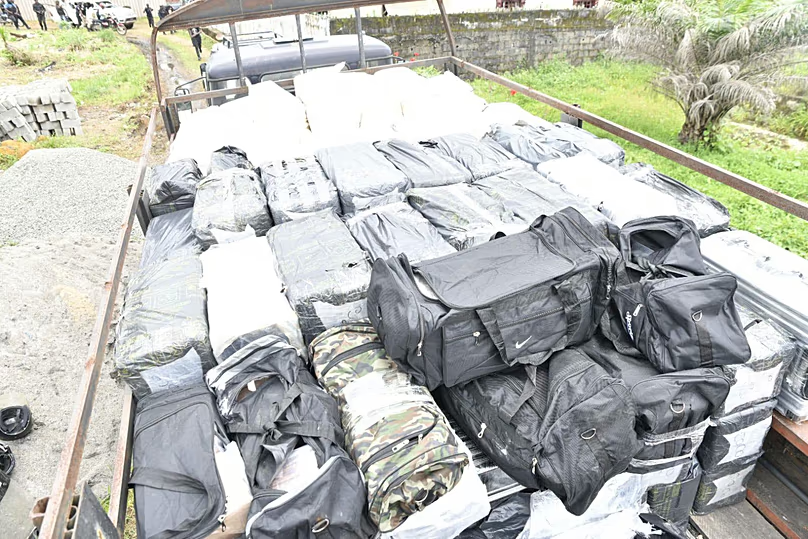
The incinerated total also included an earlier haul of 237 kilograms recovered during a June operation at Roberts International Airport, which carried an estimated value of more than $19 million.
This landmark seizure highlights the growing role of West Africa as a primary transit territory for South American cartels seeking to supply European consumer markets. Smugglers frequently exploit vulnerable maritime borders and limited enforcement infrastructure across the region to establish temporary storage hubs before routing goods overseas.
International law enforcement data indicates that roughly 30 percent of European-bound cocaine currently passes through West African corridors. The direct involvement of senior Liberian police leadership in this network underscores the deep operational reach of these cartels as they attempt to buy security and secure safe passage through regional transport points.
Liberian officials emphasized that the public burning of the massive shipment sends a clear signal to transnational syndicates attempting to establish permanent staging grounds in the country.
Inspector General Coleman stated that law enforcement agencies intend to pursue every local and international connection tied to the trafficking ring. With Interpol support requested to help track down additional suspects who remain at large, attention now shifts to how regional governments will fortify their security apparatus against increasingly aggressive smuggling cartels.
About the Author