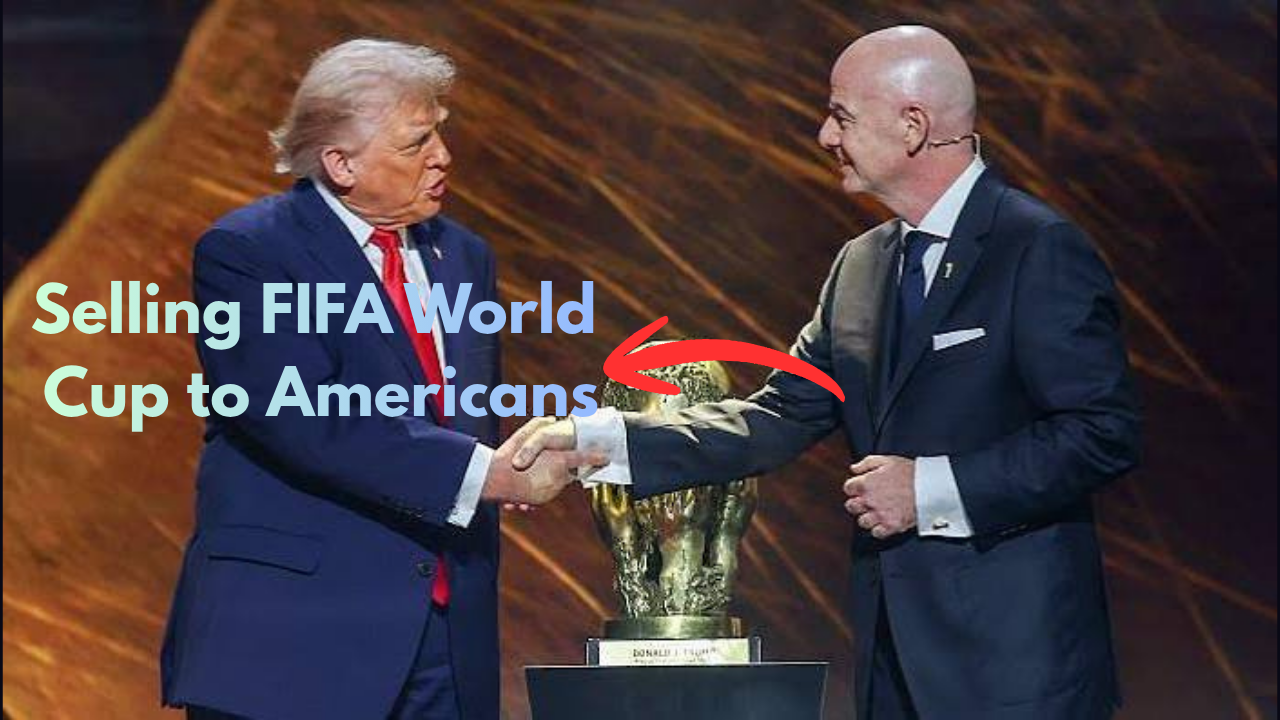
Yes, you heard it right. President of World Football now wants to sell stakes in the FIFA World Cup! However, as expected, no one is onboard.
European soccer governing body UEFA issued a scathing public response following FIFA’s official proposal to sell minority stakes in its commercial tournament operations to private investors. The dispute erupted after details surfaced regarding FIFA Forward Enterprise, a newly proposed commercial subsidiary valued at $20 billion.
Under the blueprint, FIFA seeks to raise $4.2 billion by selling non-controlling equity stakes to private investment groups, including a firm launched by Joshua Kushner alongside financial giant J.P. Morgan Chase. FIFA stated that the enterprise would expand global development funding to more than $10 billion over four years. Under the proposed arrangement, each of FIFA’s 211 member associations could receive a one-off sum of $20 million while FIFA retains sole regulatory authority over World Cup competitions, rules, and international match calendars.
UEFA Will not have it!
UEFA aggressively pushed back against the plan, issuing a direct warning that the international federation had exceeded its institutional mandate. In an official statement, UEFA asserted that the soul and governance of football are not assets to trade, especially with zero transparency as to who gains financially.
The European governing body declared that none of us are the owners of football and stated flatly that it is not FIFA’s to sell. UEFA urged national associations, leagues, clubs, players, and supporters to treat the move with utmost seriousness, cautioning that the proposal crosses a line that football’s governing institutions should never cross.
FIFA defended the initiative by framing the creation of the commercial arm as a necessary step toward equalizing financial resources across developing soccer regions. FIFA President Gianni Infantino argued that the project is about the democratisation of football worldwide, aiming to channel fresh commercial capital into grassroots infrastructure.
The proposed deal requires formal authorization from both the FIFA Council and a full vote of national member associations before any agreements can be finalized. Published reports indicated that discussions have also touched on potential executive leadership roles for Infantino within the new commercial entity after his current presidential term concludes in 2031.
The political clash revives long-standing tensions over private equity involvement in international soccer, recalling a similar $25 billion investment venture backed by Japan’s SoftBank that collapsed in 2018 following heavy opposition from European leadership.
That previous effort failed after European leagues voiced intense concern over potential schedule congestion and the commercial erosion of domestic competitions. With European officials standing firmly against this latest commercial restructuring, the upcoming vote among global federations will determine whether private investors secure a permanent financial foothold in the world’s most lucrative sporting events.
About the Author